
 العربية
 Türkçe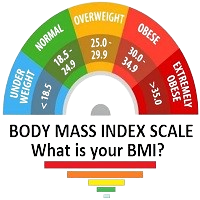
FAQs Related to BMI Calculator
Body Mass Index (BMI) is a measure that uses your height and weight to determine if your weight is healthy for your height [citation:8]. It is calculated by dividing your weight in kilograms by your height in meters squared:
Formula: BMI = Weight (kg) ÷ Height (m)² [citation:8]
Example: If you weigh 68 kg and are 1.75 m tall: 68 ÷ (1.75 × 1.75) = 68 ÷ 3.0625 = approximately 22.2 [citation:8]
According to the World Health Organization (WHO), BMI categories are as follows [citation:8]:
- ✅ Underweight: Below 18.5
- ✅ Normal weight: 18.5 – 24.9
- ✅ Overweight: 25.0 – 29.9
- ✅ Obese: 30.0 and above
Note: Some regions, like Asia, use slightly different standards (e.g., normal range 18.5–22.9) [citation:8].
BMI is a useful screening tool but has limitations [citation:8]:
- ❌ Muscle vs. fat: It doesn't distinguish between muscle and fat. Athletes with high muscle mass may have a high BMI but low body fat [citation:8]
- ❌ Age and gender: It doesn't account for age, gender, or bone density
- ❌ Fat distribution: It doesn't show where body fat is stored
For most people, BMI is a reasonably accurate indicator of body fatness and health risks, but it should be considered alongside other health metrics [citation:8].
BMI is a simple calculation based on height and weight that estimates body fatness [citation:8].
Body fat percentage is a direct measurement of the percentage of fat in your body. It requires specialized equipment like skinfold calipers, DEXA scans, or bioelectrical impedance devices [citation:8].
BMI is easier to calculate but less precise, while body fat percentage provides a more accurate picture of body composition [citation:8].
Yes. BMI can be calculated for children and teens using the same formula, but the interpretation is different [citation:8]. Instead of fixed cutoff points, children's BMI is compared to age- and sex-specific percentiles on growth charts. This is because children's body composition changes as they grow [citation:8].
For most adults, checking BMI every 6–12 months is sufficient, especially if your weight is stable [citation:8]. If you're actively working on weight management, you might check it more frequently (like monthly) to monitor progress. However, BMI is just one measure of health — focusing on overall lifestyle habits (diet, exercise, sleep) is more important [citation:8].
- ✅ Overweight/Obese: Focus on balanced nutrition, regular physical activity, and behavior modifications [citation:8]
- ✅ Underweight: Increase calorie intake with nutrient-dense foods and consider strength training to build muscle [citation:8]
- ✅ Always consult: Speak with a healthcare provider or registered dietitian for personalized guidance tailored to your specific needs [citation:8]
Yes. The BMI Calculator on Royal Calc is completely free to use. No registration or payment is required. All calculations are performed directly in your browser — your data never leaves your device and remains 100% private [citation:8].